
Common Foundation Problems in Older Homes and How to Fix Them
Penn Valley Engineering has spent over 20 years helping address the challenge of common foundation problems. In this post, we’ll explore the causes, signs to watch for, and proven solutions. Whether you’re dealing with cracks in your basement walls or uneven floors, understanding these issues can save you time, money, and stress. We’ll focus on region-specific factors in our service areas of South Jersey and Southeastern Pennsylvania, where harsh winters and expansive soils play a big role in the condition of a home’s foundation.
What Causes Foundation Problems in Older Homes?
Foundation issues rarely appear out of nowhere; they’re usually the result of cumulative factors over years or decades. The most common foundation problems are due to these four causes:
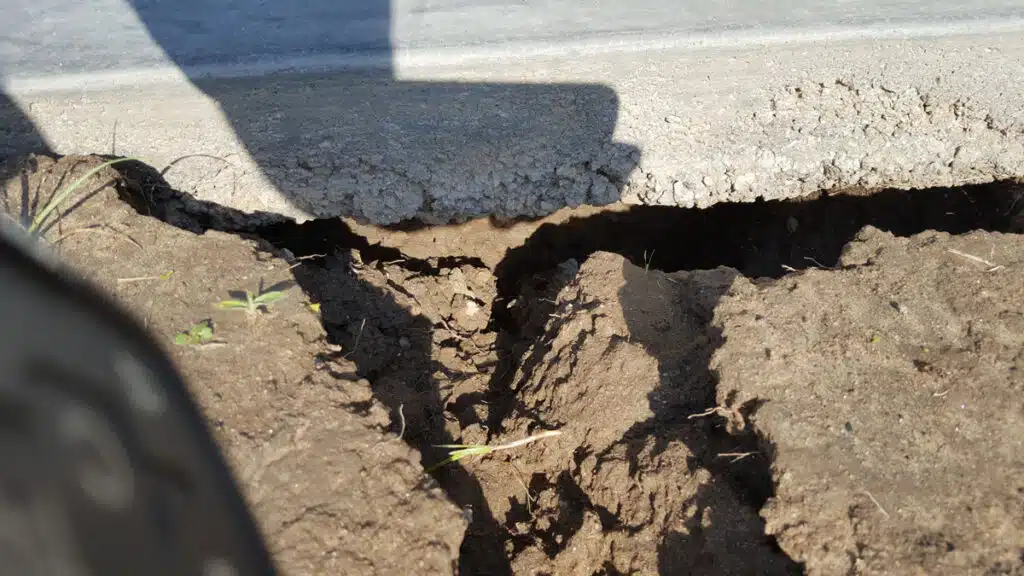
- Soil Settlement and Shifting: Older homes often sit on foundations built without today’s soil compaction standards. Over time, the ground beneath can settle unevenly due to natural erosion or poor initial preparation. In regions like New Jersey and Pennsylvania, clay-heavy soils expand and contract with moisture changes, exerting pressure on foundations.
- Water Damage and Poor Drainage: In older construction, inadequate drainage systems allow moisture to pool around the base, weakening concrete and causing cracks. Basements in Pennsylvania and New Jersey homes are particularly vulnerable to heavy storms or snowmelt.
- Material Degradation: Early 20th-century foundations used aggregates from local rocks that could include reactive materials prone to breaking down. Portland cement in these mixes might not be as durable as modern formulations, leading to flaking or white powdery deposits. Plumbing leaks or tree roots invading underground can accelerate this process.
- Environmental and Structural Stress: Extreme weather—like freeze-thaw cycles in Pennsylvania and New Jersey—adds to the strain. Additions or renovations without proper support can overload the original structure, especially in wood-framed homes where vinyl siding might mask underlying shifts.
Understanding these causes is key to prevention, but recognizing the specific problems is essential for timely action.
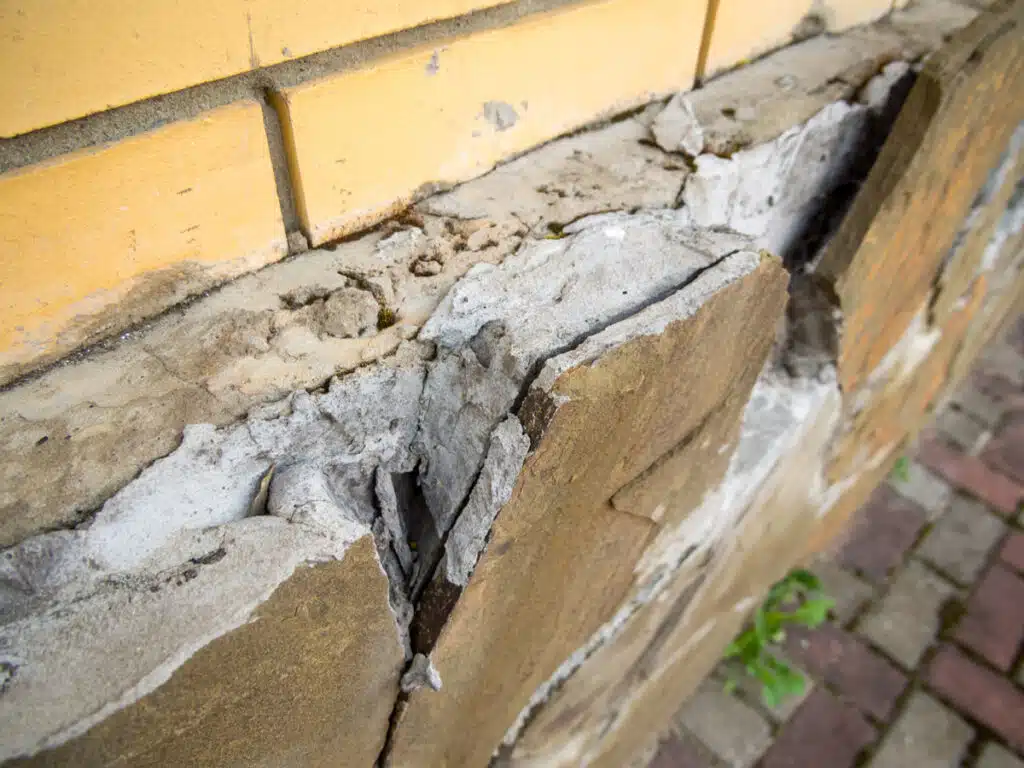
Common Signs of Foundation Issues
Before problems escalate, your home often sends warning signals. Ignoring them can lead to structural failure, so keep an eye out for:
- Cracks, such as hairline or wider fissures in walls, floors, ceilings, or the foundation itself—vertical ones might be minor, but horizontal or stair-step patterns signal serious pressure.
- Uneven floors that slope, sag, or feel bouncy, making furniture wobble.
- Sticking doors and windows where the frames jam or won’t close properly due to shifting.
- Water intrusion shows as damp basements, mold, or wood rot, especially after rain.
- Bowing walls, where basement walls lean inward or outward.
- Gaps around doors, windows, or where walls meet ceilings.
If you notice any of these signs in your home, you may have a reason for concern. If you spot two or more of these indicators, it’s most certainly time for a professional licensed structural engineer’s assessment. In our experience at Penn Valley Engineering, early detection prevents minor issues from becoming major headaches, particularly in wood-framed homes where vinyl siding can hide early damage.
How to Fix Specific Foundation Problems
Now, let’s examine the top problems we’ve encountered in older homes across our regions, integrating symptoms, causes, and repair options. Costs can vary widely, from a few thousand dollars for minor fixes to tens of thousands for extensive work. Addressing them promptly avoids higher expenses down the line.
Foundation cracks are among the most visible issues, ranging from thin hairlines to wide gaps, often due to settling or hydrostatic pressure, improper original construction, or inadequate initial design. In New Jersey and Pennsylvania, freeze-thaw cycles can widen these cracks significantly. For minor ones, epoxy or polyurethane injections can seal and bond the concrete to prevent water entry, a relatively straightforward option costing a few hundred to a thousand dollars, though professional application ensures longevity. Structural cracks may require carbon fiber straps or wall anchors for reinforcement, stabilizing the area without major excavation. Always tackle the root cause, such as improving drainage with French drains or extended gutters.
Bowing or leaning walls occur when basement or retaining walls bulge inward from soil pressure or water saturation, which can lead to collapse if untreated. This is common in New Jersey and Pennsylvania, where soil issues are prevalent and improper original construction and design are widespread. Solutions include installing steel wall anchors or braces that pull the wall back over time, suitable for moderate cases and ranging from several thousand to over ten thousand dollars. Carbon fiber reinforcement offers a non-invasive alternative with strips applied directly to the wall. In severe instances, full replacement involves excavating and rebuilding, which is more costly but essential for safety.
Other Foundation Issues and Solutions
Uneven or sagging floors, where surfaces slope or feel spongy, often stem from settling piers or joist decay in crawl spaces that trap humidity and lead to rot. Underpinning with helical piers—screw-like supports driven into stable soil—can lift and level the foundation with minimal disruption, typically costing a thousand to three thousand dollars per pier. Sistering joists reinforces weakened beams with new wood or steel, while mudjacking or foam injection pumps material under slabs to raise them, though this is less permanent.
Water damage and basement flooding weaken the structure through moisture seeping into cracks, causing mold, rot, and powdery deposits. New Jersey’s coastal storms and Pennsylvania’s winters make this prevalent. Interior waterproofing seals cracks and incorporates sump pumps or drains, costing a couple of thousand to ten thousand dollars. Exterior approaches involve excavating to apply waterproof membranes and regrading the yard to direct water away, combined with dehumidification via vents or encapsulations in crawl spaces.
Settling or shifting foundations affect the whole house, leading to widespread cracks and misalignments from heavy clays in NJ and PA. Pier and beam adjustments with push piers lift and stabilize, slab jacking injects grout for leveling, and in some cases, additional bolting secures the wood frame to the foundation for extra security.
Quick Summary
To summarize these in a quick reference for an average home:
| Problem | Common Symptoms | DIY Fix Possible? | Professional Cost Range | Best Solution |
|---|---|---|---|---|
| Foundation Cracks | Visible fissures, water leaks | Yes (hairline only) | $500–$5,000 | Epoxy injection or carbon fiber; monitoring |
| Bowing Walls | Inward bulge, cracking | No | $5,000–$15,000 | Wall anchors, carbon fiber straps, or internal reinforcement |
| Uneven Floors | Sloping, bouncy feel | No | $3,000–$10,000 | Supplemental beams or joist sistering |
| Water Damage | Dampness, mold | Partial (gutters) | $2,000–$8,000 | Interior or exterior waterproofing systems |
| Settling Foundation | Widespread shifting | No | $10,000–$30,000 | Underpinning piers |
When to Call a Structural Engineer
Not all common foundation problems require immediate action–some settling is common. However, if you have concerns or just want some peace of mind, consult a licensed structural engineer at Penn Valley Engineering. As an independent engineer, we offer unbiased advice to help you fully understand the conditions and make an informed decision on the options for structural remediation if warranted. Furthermore, PVE can provide detailed inspections compliant with local regulations, such as New Jersey’s 2024 Condo Safety Law.
Prevention Tips for Long-Term Stability
Of course, staying proactive can extend the life of your foundation and maintain your home’s value. Here are some key steps:
- Maintain proper drainage by ensuring gutters direct water at least 10 feet from the foundation.
- Monitor nearby trees to keep roots from disrupting the soil.
- Schedule regular inspections every couple of years, especially in areas prone to winter storms.
- Control humidity with dehumidifiers in basements and crawlspaces.
- Consider soil testing before purchasing an older home to assess stability.
Conclusion: Protect Your Older Home’s Foundation Today
From cracks caused by settling soils in New Jersey to water intrusion in Pennsylvania’s variable climate, addressing issues early prevents escalation. At Penn Valley Engineering, we’re here to help with expert inspections and customized economical solutions for your South Jersey or Southeastern Pennsylvania property.
Ready to safeguard your investment? Contact us at (856) 872-3537 in South Jersey or (215) 821-7686 in Southeastern Pennsylvania. Or request a quote online. Don’t let foundation woes undermine your home’s charm—let’s build (or rebuild) a solid foundation together.
“The Penn Valley team has been a pleasure to work with! We have basement wall support issues and needed a structural engineering expert to help us sort through the repair recommendations made by various firms looking to remediate the issue. Penn Valley was that expert. They explained what are issues were, described the remediation, and provided the appropriate blueprints. I highly recommend this firm before pursuing any remediation.”
– Henry H., reviewing structural engineering in New Jersey
 Penn Valley Engineering is a structural engineering consulting firm dedicated to Total Client Satisfaction.